Sector
Ports, airports, and transportation
Cranes, runways, and cargo yards are high-consequence targets with wide open sky above the fence.
Veil Systems provides consult-to-service drone-defense integration for ports, airports, and related transportation facilities.
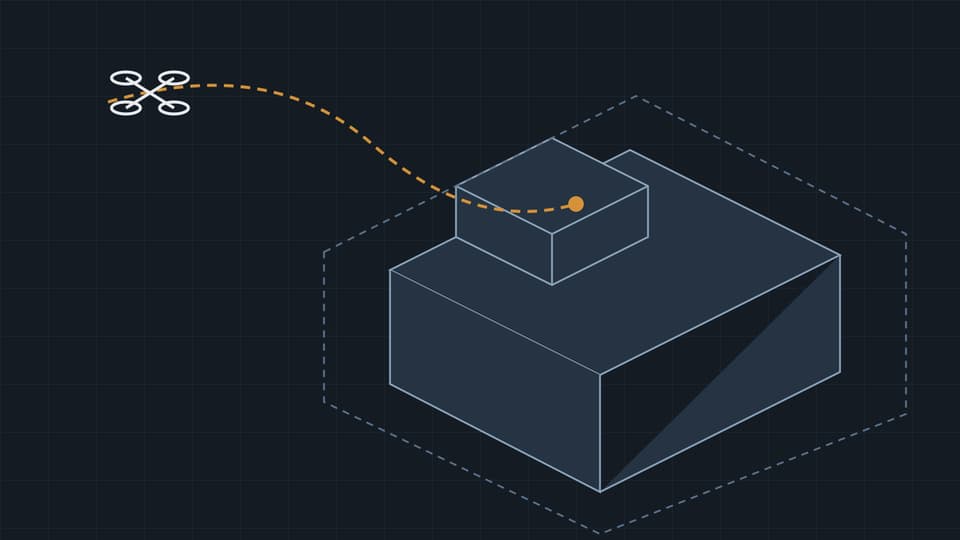
Illustrative scenario — not a Veil installation or a real incident. Concept schematic.
Threat scenario
Scenario — Terminal / airfield edge
An unauthorized UAS enters a terminal yard or airfield edge—surveillance, disruption, or collision risk. Illustrative scenario; outcome depends on the circumstances.
Why the fence falls short
Ground security was not built for this approach
Port and airport perimeters control ground access. Aviation rules and detection planning address the air.
Sourced context
Facts that keep the story grounded
- CISA: UAS can bypass fences, gates, and guards; detection selection should consider site airspace. CISA UAS Detection Guidance
- Interagency advisory: legality depends on system functionality and use, not marketing labels. Interagency Legal Advisory
Where Veil comes in
Consult · Design · Procure · Install · Service
Design with aviation and port/airport security stakeholders; procure, install, and service for authorized operators.
Consult
Site, threats, authorities.
Design
Layered detection plan.
Procure
Best-fit existing systems.
Install
As designed, documented.
Service
Maintenance and training support.
Authority boundary: Veil does not jam, seize, or disable drones. Mitigation is for authorized operators only. See regulatory explainer.
FAQ
Do you override ATC or FAA rules?
No. Engagements respect aviation coordination requirements.
Discuss your requirements
Share a general business summary. Please leave out sensitive site details.